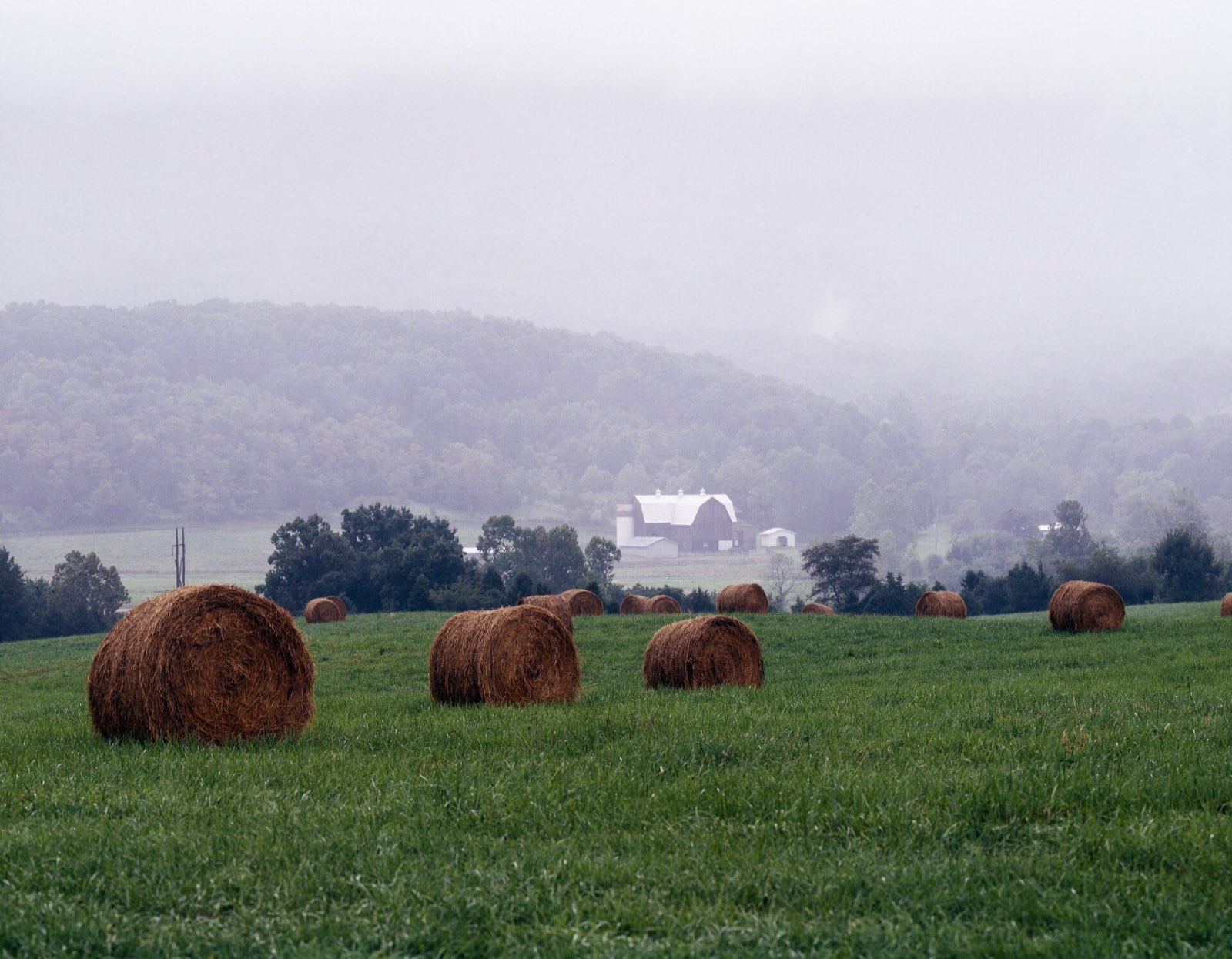
Agriculture in Virginia has been central to the Commonwealth since tobacco first made the colony profitable in the 1600s. Today the industry is far more varied.
Quick answer: Agriculture in Virginia is the state’s largest private industry, according to the Virginia Department of Agriculture and Consumer Services. It has an economic impact of $82.3 billion a year and supports more than 381,800 jobs. Virginia has about 39,000 farms covering 7.3 million acres.
Contents
- Agriculture by the Numbers
- Livestock and Crops
- National Rankings
- From Tobacco Colony to Today
- Frequently asked questions
Agriculture by the Numbers
| Measure | Value |
|---|---|
| Rank among private industries | Largest |
| Economic impact | $82.3 billion a year |
| Value-added impact | $43.8 billion |
| Jobs | More than 381,800; over 490,000 with forestry |
| Farms | About 39,000 |
| Land in farms | 7.3 million acres |
| Average farm size | 187 acres |
Source for the table: Virginia Department of Agriculture and Consumer Services (VDACS).[1]
Livestock and Crops
Livestock earns most of the farm income. In a 2021 study, livestock made up about 63 percent of farm cash receipts, led by poultry, beef and dairy. Corn, wheat and soybeans were the most significant field crops.[1]
National Rankings
In 2023 Virginia ranked among the leading states in several products.[1]
| Rank in the United States | Products |
|---|---|
| 3rd | Tobacco; seafood landings |
| 6th | Apples; turkeys |
| 8th | Peanuts; broilers |
From Tobacco Colony to Today
John Rolfe was growing tobacco by July 1612, and the crop soon became the cash crop of the colony.[2][3] Tobacco remains an important product: in 2023 Virginia ranked third in the nation for it.[1]
Frequently asked questions
What is the largest industry in Virginia? Agriculture is Virginia’s largest private industry, according to VDACS.
How many farms are in Virginia? About 39,000, with an average size of 187 acres.
What are Virginia’s top agricultural products? Poultry, beef and dairy lead livestock; corn, wheat and soybeans lead field crops.
What does Virginia rank first in? VDACS does not list a first-place ranking. Virginia ranked third in tobacco and seafood landings in 2023.
References
- [1] Virginia Department of Agriculture and Consumer Services, Agriculture Facts and Figures – last checked 11/08/2026
- [2] Encyclopedia Virginia, Emily Jones Salmon and John Salmon, Tobacco in Colonial Virginia – last checked 11/08/2026
- [3] National Park Service, Historic Jamestowne: A Short History of Jamestown – last checked 11/08/2026
The colonial tobacco economy is described in Virginia Colony Economy.