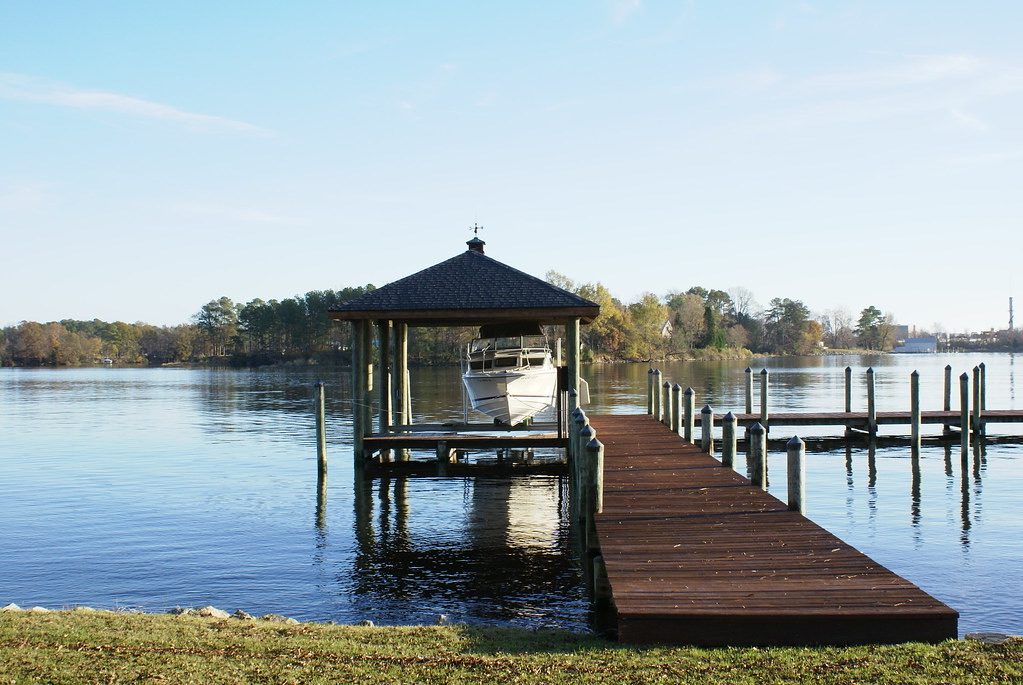
Most marine debris in the Chesapeake Bay and along Virginia’s ocean beaches is small: bottle caps, food wrappers, balloons, cigarette butts and bits of plastic. But some of the most stubborn waste problems in Virginia’s waters are large ones. Old fiberglass boats rot in marshes because no one wants to pay to get rid of them. Lost crab pots keep catching and killing animals for years. And every so often a whale carcass, tens of feet long and weighing tons, floats into the shipping channels at the mouth of the bay, and someone has to decide what to do with it.
Quick answer: Abandoned and derelict vessels are a growing problem in Virginia because fiberglass boats, widely sold since the 1960s and 1970s, have little scrap value and cost money to dispose of. The Virginia Marine Resources Commission can require owners to remove abandoned or hazardous vessels and structures from state waters, and Virginia’s Marine Debris Reduction Plan, written by Clean Virginia Waterways with the state’s Coastal Zone Management Program, was the first such plan on the East Coast. Lost “ghost” crab pots continue to trap crabs and fish. Dead whales near the Chesapeake Bay are often examined and then towed to remote sites such as Craney Island; since 2016, NOAA has investigated an unusual mortality event of humpback whales along the Atlantic coast, and about 45 percent of the whales examined showed evidence of vessel strikes or entanglement.[1][2][3]
Contents
- Marine debris in Virginia
- Abandoned and derelict boats
- Who removes a derelict boat?
- Ghost crab pots and fishing gear
- Whales at the mouth of the Chesapeake Bay
- Ship strikes and right whales
- What to do with a dead whale
- Frequently asked questions
- References
Marine debris in Virginia
Marine debris is any human-made solid material that ends up in the ocean, bays or rivers. Much of it starts on land as litter, washing through storm drains and streams to the bay. Volunteer cleanups organized every year along Virginia’s rivers and beaches collect tons of it, and the data volunteers record help show which items are most common.
Clean Virginia Waterways, a statewide nonprofit, works to reduce plastic pollution and marine debris. Working with the Virginia Coastal Zone Management Program, it researched and wrote the Virginia Marine Debris Reduction Plan, the first marine debris plan on the East Coast, which sets goals for reducing balloon releases, single-use plastics, derelict fishing gear and abandoned vessels.[2] For laws on foam containers and plastic bags, see Recycling in Virginia.
Abandoned and derelict boats
Large steel ships are worth scrapping, and shipyards in Hampton Roads recycle them for their metal. Small boats are different. Inexpensive fiberglass boats became widely available from the 1960s and 1970s, and decades later many have reached the end of their useful life. Fiberglass does not rot or rust away, has almost no scrap value, and is costly to cut up and landfill. An old car can be sold for scrap; an old fiberglass boat usually costs its owner money to get rid of.
Not surprisingly, some owners simply walk away. Abandoned boats accumulate in marshes, along riverbanks, behind houses and even in marinas. They can leak fuel, oil and battery acid, break apart into debris, damage marshes and underwater grass beds, and become hazards to navigation when they sink or drift. Each storm season scatters more of them.
Who removes a derelict boat?
Removing a boat is simplest when the owner can be found. Virginia requires most motorboats to be registered with the Department of Wildlife Resources and to display a registration number, which can help identify owners.[4] State law also provides a way for property owners to take ownership of boats left on their land without permission, but that matters only if the boat has some value.
For boats in public waters, the Virginia Marine Resources Commission has authority to act. If a boat, pier, bulkhead or other structure in state waters has been abandoned, is about to sink or is so run-down that it blocks or endangers use of the waterway, the commission can track down the owner and order the property repaired or removed, with penalties for owners who ignore the order.[1] When no owner can be found, removal depends on public money. The state has created grant programs to help localities remove abandoned and derelict vessels, and the Marine Debris Reduction Plan calls for an inventory of derelict boats and for finding ways to recycle fiberglass.[2]
Ghost crab pots and fishing gear
The Chesapeake Bay blue crab fishery uses hundreds of thousands of wire crab pots. Every year storms, boat propellers that cut buoy lines, and abandonment cause many pots to be lost. A lost pot does not stop fishing: crabs, fish and diamondback terrapins enter it, cannot escape, die and become bait that attracts more animals. These “ghost pots” also litter the bottom and can snag fishing gear and boat propellers.
Removal programs locate lost pots on the bottom, often with side-scan sonar, and pull them out during the off-season. Other approaches include biodegradable escape panels and devices that keep terrapins out of pots. Lost gill nets, fishing line and other gear are also hazards, especially for sea turtles, birds and marine mammals. For more on the fishery, see Blue Crabs in Virginia.
Whales at the mouth of the Chesapeake Bay
The mouth of the Chesapeake Bay is a meeting point for fish, whales and ships. In winter, young humpback whales often linger off Virginia Beach and near the bay entrance to feed on schools of menhaden and other fish. The same narrow waters funnel container ships and Navy vessels into Hampton Roads and up the bay to Baltimore.
Since January 2016, NOAA has recognized an unusual mortality event for humpback whales along the Atlantic coast from Maine to Florida, with Virginia among the states recording strandings. Of the whales examined in detail, about 45 percent showed evidence of human interaction, either a vessel strike or entanglement in fishing gear, though the cause of the increase is still being studied.[3] Whales that die far offshore usually sink and decompose on the sea floor, feeding scavengers; those that die close to shore may wash up on beaches or drift into channels.
Ship strikes and right whales
The species most at risk is the North Atlantic right whale, listed as endangered since 1970. NOAA’s most recent estimate is about 380 whales, with only about 70 reproductively active females, though the population has shown signs of increasing for three consecutive years.[5] To reduce ship strikes, most vessels 65 feet or longer must slow to 10 knots or less in Seasonal Management Areas along the East Coast, including the waters off the entrance to the Chesapeake Bay serving the ports of Hampton Roads and Baltimore.[6] Right whales and other marine mammals are also protected under the Marine Mammal Protection Act of 1972, which generally prohibits harming, harassing or collecting them, alive or dead, without federal authorization.[7]
What to do with a dead whale
When a dead whale is found in Virginia, the Virginia Aquarium’s Stranding Response Team usually examines it first in a necropsy, looking for propeller wounds, broken bones, rope marks or signs of disease. Then comes the hard part: disposing of an animal that may be 30 feet long and weigh several tons.
There are only a few options. A fresh carcass can be towed to an isolated site. In February 2017, for example, a juvenile male humpback about 33 feet long was found dead near the Hampton Roads Bridge-Tunnel; the aquarium’s team towed it to Craney Island, near the mouth of the Elizabeth River, examined it there and buried it on the island. Aquarium staff thought it might have been injured by a ship’s propeller.[9] A carcass on a beach may be buried deep in the sand where it lies, as happened with a whale that washed up on the Virginia Beach oceanfront later that winter.[10] If it is already badly decomposed, it may fall apart when towed and must be cut up and hauled to a landfill. Burning, as some places have tried, is rarely practical.
For other waste topics, see Waste Management in Virginia.
Frequently asked questions
What should I do about an abandoned boat in Virginia waters? Report it to the Virginia Marine Resources Commission, which can require owners to remove abandoned or hazardous vessels from state waters.[1]
What is a ghost crab pot? A lost or abandoned crab pot that keeps trapping and killing crabs, fish and turtles on the bottom.
Why do whales die near Virginia Beach? Some are struck by ships or entangled in fishing gear; NOAA has been investigating elevated humpback whale deaths along the Atlantic coast since 2016.[3]
How many North Atlantic right whales are left? About 380, according to NOAA’s most recent estimate.[5]
References
- Code of Virginia § 28.2-1210, Removal of obstructions or hazardous property from state waters. https://law.lis.virginia.gov/vacode/title28.2/chapter12/section28.2-1210/
- Clean Virginia Waterways, official website (Virginia Marine Debris Reduction Plan). https://www.cleanvirginiawaterways.org/
- NOAA Fisheries, “2016–2026 Humpback Whale Unusual Mortality Event Along the Atlantic Coast.” https://www.fisheries.noaa.gov/national/marine-life-distress/2016-2025-humpback-whale-unusual-mortality-event-along-atlantic-coast
- Virginia Department of Wildlife Resources, “Boating.” https://dwr.virginia.gov/boating/
- NOAA Fisheries, “North Atlantic Right Whale.” https://www.fisheries.noaa.gov/species/north-atlantic-right-whale
- NOAA Fisheries, “Reducing Vessel Strikes to North Atlantic Right Whales.” https://www.fisheries.noaa.gov/national/endangered-species-conservation/reducing-vessel-strikes-north-atlantic-right-whales
- NOAA Fisheries, “Marine Mammal Protection Act.” https://www.fisheries.noaa.gov/national/marine-mammal-protection/marine-mammal-protection-act
- NOAA Marine Debris Program, official website. https://marinedebris.noaa.gov/
- NBC Washington (WTOP), “Body of Whale Found Near Hampton Roads Bridge-Tunnel,” February 2017. https://nbcwashington.com/local/dc-wtop-body-of-whale-found-near-hampton-roads-bridge-tunnel/30664/
- Augusta Free Press, “Two deceased whales, two days: First necropsy complete; mammal buried deep in sand.” https://augustafreepress.com/news/two-deceased-whales-two-days-first-necropsy-complete-mammal-buried-deep-in-sand/