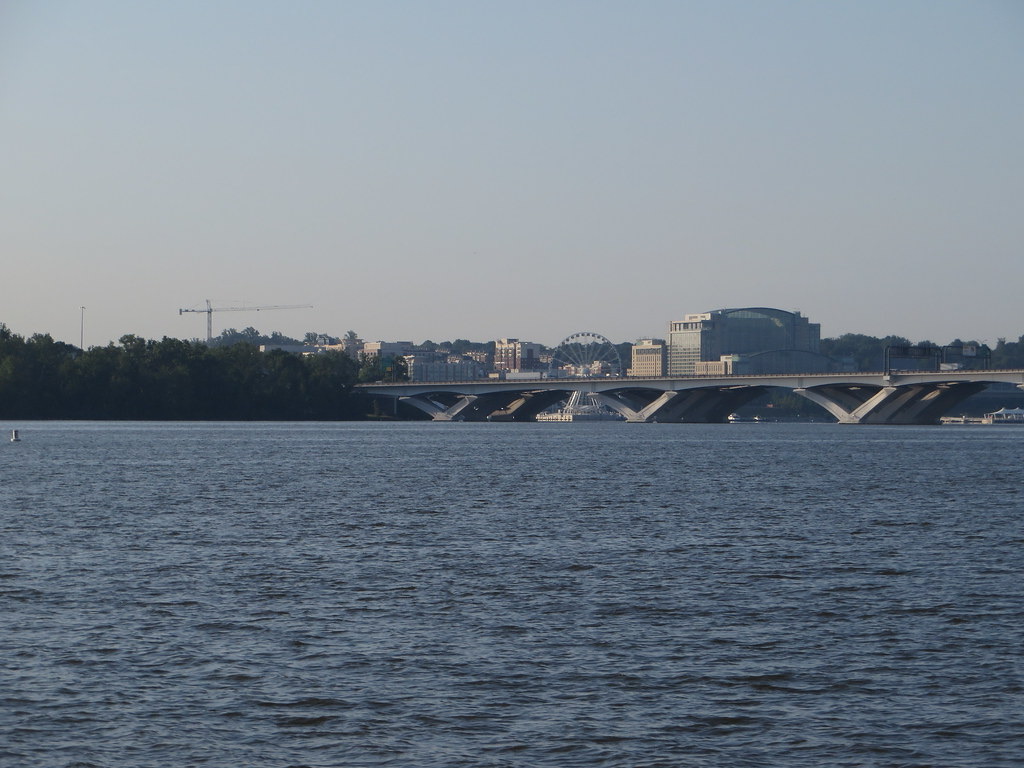
Every flush in Virginia sets off a journey most people never think about. In cities and suburbs, wastewater flows downhill through a hidden network of pipes to a treatment plant, where bacteria clean it before it returns to a river or, increasingly, is recycled. In rural areas it soaks into the ground through a septic system. Either way, something solid is left over, and what to do with that sludge, now called biosolids, has become one of the most contentious environmental questions in rural Virginia.
Quick answer: Most Virginians in cities and suburbs are served by public sewer systems that carry wastewater to treatment plants, while many rural homes use septic systems. Treatment plants screen out solids, use bacteria to break down organic matter and, in the Chesapeake Bay watershed, remove nitrogen and phosphorus. Three older cities, Richmond, Lynchburg and Alexandria, have combined sewers that overflow in heavy rain; a 2020 state law set deadlines to fix them, with Richmond aiming for 2035. Nationally, about 2.39 million of the 4 million dry metric tons of sewage sludge reported to the EPA in 2024 were applied to land as biosolids fertilizer. In Hampton Roads, HRSD’s SWIFT program treats wastewater to drinking water standards and adds it to the Potomac Aquifer.[1][2][3][4]
Contents
- Before sewers
- The first sewers
- How a modern treatment plant works
- Nutrient removal and the Chesapeake Bay
- Aging pipes, grease and infiltration
- Combined sewers: Richmond, Lynchburg and Alexandria
- Septic systems
- Biosolids: fertilizer or problem?
- Recycling wastewater: UOSA and SWIFT
- Frequently asked questions
- References
Before sewers
For thousands of years, human waste in Virginia was not a public problem, because people lived in small groups and moved often. In colonial times, most Virginians used outdoor privies, and wealthier households kept chamber pots in their bedrooms, emptied by servants or enslaved workers into pits or onto fields. Visitors to Colonial Williamsburg can still see chamber pots in restored bedchambers. Armies faced the problem on a large scale: Civil War camps were notorious for disease spread by poor sanitation.
The first sewers
Once towns built water systems for firefighting and household use, used water had to go somewhere, and the easiest answer was a pipe to the nearest stream. Early sewers in Richmond, Alexandria, Norfolk and other cities carried waste untreated into rivers, relying on dilution, sunlight and natural bacteria to break it down. As cities grew, rivers became open sewers, with foul odors, fish kills and outbreaks of waterborne disease.
Most of Virginia’s sewage treatment plants were built after World War II, and many were upgraded after the federal Clean Water Act of 1972 required at least secondary treatment. Alexandria’s sewer authority, now AlexRenew, has been treating wastewater since 1956.[5]
How a modern treatment plant works
At the head of the plant, screens catch rags, wipes, plastics and other objects that should never have been flushed, and grit chambers let sand and gravel settle. In primary treatment, wastewater sits in large tanks where heavier solids sink and grease floats to the top.
Secondary treatment is biological. Air is pumped into tanks full of bacteria and other microbes that consume dissolved organic matter; the microbes clump together and settle out as “activated sludge,” part of which is recycled to keep the process going. After final settling, the water is usually disinfected with chlorine or ultraviolet light before discharge.
Nutrient removal and the Chesapeake Bay
Ordinary secondary treatment removes most organic matter but leaves much of the nitrogen and phosphorus that feed algae blooms in the Chesapeake Bay. To meet the bay’s cleanup targets, Virginia’s larger plants in the bay watershed have added biological nutrient removal, which moves wastewater through zones with and without oxygen so that different bacteria convert nitrogen compounds into harmless nitrogen gas, along with chemical treatment to remove phosphorus. Upgrading these plants has been one of the most successful parts of the bay cleanup; see Water Pollution and Stormwater in Virginia.
Aging pipes, grease and infiltration
Sewers depend on gravity, flowing downhill toward plants usually located low along rivers, with pumping stations where hills get in the way. Many suburban sewers were built in the 1950s and 1960s and are reaching the end of their design life. Cracked pipes let groundwater and rainwater seep in, a problem called infiltration and inflow, which can overload plants during storms. Utilities reline old pipes with plastic or fiberglass liners instead of digging them up.
Fats, oils and grease poured down drains harden inside pipes and cause blockages and overflows, so restaurants must use grease traps and have the grease hauled away. Wipes labeled “flushable” are another common cause of clogs.
Combined sewers: Richmond, Lynchburg and Alexandria
In a few older cities, sewage and stormwater share the same pipes. When heavy rain overwhelms the system, the excess overflows untreated into rivers. A 2020 Virginia law set timelines for localities with combined sewer systems to reduce overflows. Alexandria’s and Lynchburg’s projects were expected to be finished by about 2027, while Richmond, whose system includes 25 outfalls to the James River, is working toward a 2035 deadline.[2] Richmond’s plan aims to cut the average annual volume of untreated overflows by 75 percent; in January 2026 alone, more than 100 million gallons of untreated water flowed into the James from the city’s combined sewers. The city has said it has spent about $780 million, adjusted for inflation, on its sewer system and is seeking $500 million in state support.[2][6]
Alexandria’s RiverRenew tunnel opened in July 2026 and is expected to keep about 120 million gallons of combined sewage a year out of the Potomac and its tributaries.[5]
Septic systems
Homes without public sewers rely on septic systems. Wastewater flows into a buried tank where solids settle to the bottom and grease floats to the top; bacteria partly digest the solids, and the liquid flows out to a drainfield, where it filters through the soil, which removes many bacteria, viruses and nutrients.[7] The tank must be pumped every few years, and the septage is hauled to a treatment plant. In Virginia, the Department of Health regulates onsite sewage systems and private wells.[8] Septic systems fail where soils are too wet, too thin or too dense, a common problem on the Coastal Plain and in mountain areas, and failing systems can contaminate wells, streams and shellfish waters.
Biosolids: fertilizer or problem?
Treatment plants produce large amounts of sludge. It can be landfilled, burned or treated and applied to land as fertilizer and soil conditioner. The EPA uses the term “biosolids” for sludge treated to meet its rule on the use and disposal of sewage sludge, 40 CFR Part 503, which sets limits on metals and pathogens. Based on reports for 2024, the EPA estimated that about 4 million dry metric tons of sewage sludge were generated by reporting facilities, of which about 2.39 million were land applied, about 982,000 landfilled and about 558,000 incinerated.[1]
Biosolids are attractive to farmers because they supply nitrogen, phosphorus and organic matter at little or no cost, and to utilities because land application is usually cheaper than landfilling. Urban utilities face the hardest choices. Arlington County, with about 239,000 residents, generates an estimated 4,400 tons of biosolids a year at its Water Pollution Control Plant and has no farms of its own to receive them; its Re-Gen program is modernizing how those solids are treated and reused.[9]
The practice is controversial in the counties that receive the material. Neighbors complain of odors and truck traffic and worry about runoff into streams. A newer concern is PFAS, the “forever chemicals” that pass through treatment plants and concentrate in sludge; see PFAS in Virginia. Land application in Virginia requires state permits, and localities have pushed for more say over where biosolids are spread, as well as tighter rules on testing.
Recycling wastewater: UOSA and SWIFT
Treated wastewater is increasingly seen as a resource. In Northern Virginia, studies in 1969 and 1970 blamed poorly treated sewage from eleven small plants for serious pollution in the Occoquan Reservoir. The state responded with its Occoquan Policy, and Fairfax and Prince William counties and the towns (now cities) of Manassas and Manassas Park formed the Upper Occoquan Service Authority (UOSA) in 1971. Its regional water reclamation plant opened on June 26, 1978, under some of the strictest discharge limits in the country, and has been expanded to 54 million gallons a day. UOSA’s reclaimed water flows by way of Bull Run into the Occoquan Reservoir, one of the two main water sources for Fairfax Water, which serves nearly two million people.[10]
In Hampton Roads, HRSD’s Sustainable Water Initiative for Tomorrow (SWIFT) takes highly treated water that would otherwise go into the James River, puts it through more rounds of advanced treatment to meet drinking water standards, and adds it to the Potomac Aquifer, the main groundwater source for eastern Virginia. The SWIFT Research Center adds up to one million gallons a day. Groundwater in the region is being used faster than nature replaces it, and scientists believe overuse of the aquifer causes about a quarter of the land subsidence in parts of eastern Virginia; recharging it may slow that sinking.[4] For drinking water sources, see Drinking Water in Virginia.
Frequently asked questions
What happens to sewage in Virginia? In sewered areas it goes to a treatment plant for screening, settling, biological treatment and often nutrient removal before discharge; in rural areas it goes to septic systems.[7]
Which Virginia cities have combined sewers? Richmond, Lynchburg and Alexandria, all under state deadlines to reduce overflows.[2]
What are biosolids? Treated sewage sludge that meets EPA’s Part 503 rules and can be applied to land as fertilizer.[1]
What is SWIFT? HRSD’s program that purifies treated wastewater to drinking water standards and adds it to the Potomac Aquifer.[4]
References
- U.S. Environmental Protection Agency, “Basic Information about Biosolids.” https://www.epa.gov/biosolids/basic-information-about-biosolids
- WVTF, “State could fund Richmond sewer project at half the requested $100 million,” March 9, 2026. https://www.wvtf.org/news/2026-03-09/state-could-fund-richmond-sewer-project-at-half-the-requested-100-million
- U.S. Environmental Protection Agency, “Combined Sewer Overflows (CSOs).” https://www.epa.gov/npdes/combined-sewer-overflows-csos
- HRSD, “SWIFT.” https://www.hrsd.com/swift
- AlexRenew, “About Us.” https://alexrenew.com/about-us
- Virginia General Assembly, Reports to the General Assembly, RD1001 (2024), “City of Richmond 2024 Combined Sewer System General Assembly Report.” https://rga.lis.virginia.gov/Published/2024/RD1001
- U.S. Environmental Protection Agency, “How Your Septic System Works.” https://www.epa.gov/septic/how-your-septic-system-works
- Virginia Department of Health, “Onsite Sewage and Water Services.” https://www.vdh.virginia.gov/environmental-health/onsite-sewage-water-services-updated/
- Virginia Biosolids Council, “From Sewage to Sustainability: Arlington County Water Pollution Control Plant,” 2024. https://www.virginiabiosolids.com/from-sewage-to-sustainability-arlington-county-water-pollution-control-plant/
- Upper Occoquan Service Authority, “History.” https://www.uosa.org/history