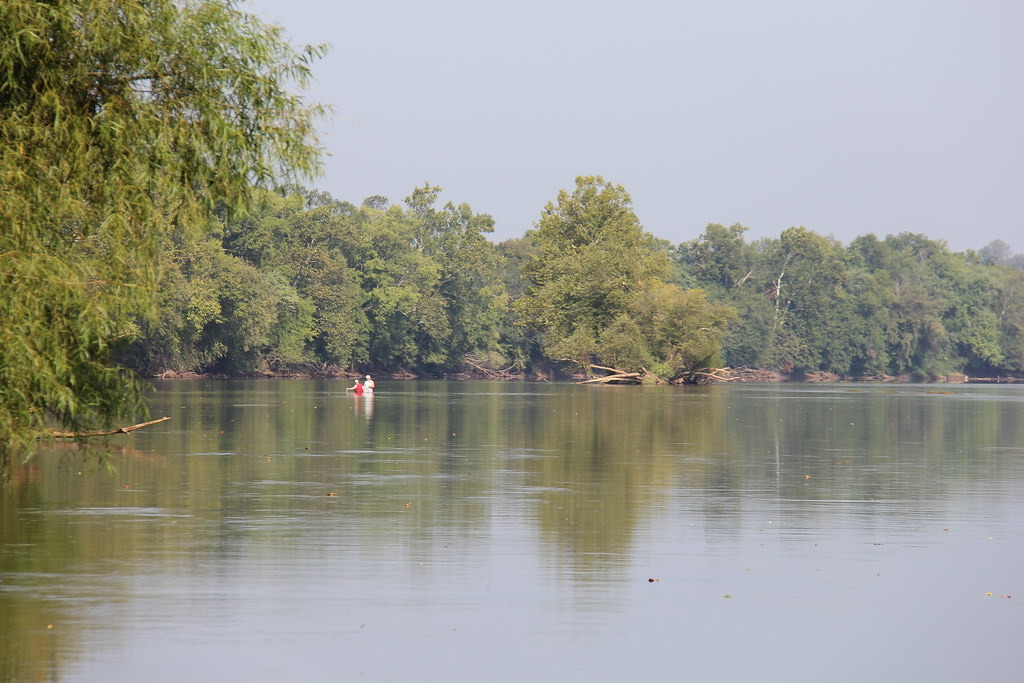
Everything people use eventually becomes waste of some kind. It may be trash at the curb, water flushed down a drain, smoke from a power plant, chemicals soaking into soil, used nuclear fuel, an old boat abandoned in a marsh, or even light and noise spilling into the night. In Virginia, each kind of waste is handled by a different mix of federal law, state agencies, local governments and private companies. This guide summarizes how the system works and links to our detailed pages.
Quick answer: Virginia manages about 22 million tons of solid waste a year, including about 5 million tons imported from other states, most of it buried in lined landfills or burned in incinerators. State law requires each local or regional planning unit to recycle at least 25 percent of its municipal waste (15 percent in rural or high-unemployment areas). Water pollution is controlled under the federal Clean Water Act and the Chesapeake Bay cleanup plan, air pollution under the Clean Air Act, and hazardous waste sites under the federal Superfund law. Virginia’s main state environmental agency is the Department of Environmental Quality, with the Department of Health overseeing drinking water and septic systems and Virginia Energy overseeing mine reclamation.[1][2][3]
Contents
- Waste and pollution pages A-Z
- Who manages waste in Virginia
- A short history
- Solid waste: bury, burn or recycle
- Water: sewage, runoff and toxic legacies
- Air, light and noise
- Special wastes
- Frequently asked questions
- References
Waste and pollution pages A-Z
- Abandoned Mine Lands in Virginia – gob piles, acid mine drainage, the 1977 mining law, AMLER grants and elk on old strip mines.
- Air Quality and Acid Rain in Virginia – the six criteria pollutants, Northern Virginia ozone, Blue Ridge haze and the Acid Rain Program.
- Derelict Boats, Ghost Crab Pots and Dead Whales – abandoned vessels, lost fishing gear, marine debris and whale carcasses.
- Kepone and Superfund Sites in Virginia – the Hopewell pesticide disaster and Virginia’s hazardous waste cleanups.
- Landfills and Solid Waste in Virginia – from town dumps to mega-landfills, imported trash, incinerators and Mount Trashmore.
- Light Pollution and Noise in Virginia – skyglow, LED streetlights, dark sky parks, highway and airport noise.
- Nuclear Waste in Virginia – spent fuel at Surry and North Anna, Yucca Mountain, interim storage and the uranium ban.
- PFAS in Virginia – forever chemicals in drinking water, firefighting foam and sludge.
- Recycling in Virginia – mandated rates, plastics, the foam ban, bag taxes and advanced recycling.
- Sewage Treatment and Biosolids in Virginia – treatment plants, combined sewers, septic systems, biosolids and water recycling.
- Water Pollution and Stormwater in Virginia – point and nonpoint sources, TMDLs, the Chesapeake Bay diet, stormwater and oil.
Related pages: Impaired Waters in Virginia, Drinking Water in Virginia, Energy in Virginia and The Chesapeake Bay in Virginia.
Who manages waste in Virginia
Most environmental regulation in Virginia is carried out by the Department of Environmental Quality (DEQ), working under policy boards for waste, water and air. DEQ issues permits for landfills, incinerators, wastewater discharges and air emissions, tracks cleanup sites and prepares the annual solid waste report. The Virginia Department of Health regulates public drinking water, septic systems and shellfish harvesting areas, and licenses users of radioactive materials.[4] Virginia Energy runs the abandoned mine land program.[5] The Virginia Marine Resources Commission deals with abandoned structures and vessels in state waters.[6]
Federal agencies set the national rules: the Environmental Protection Agency for solid and hazardous waste, water and air; the Nuclear Regulatory Commission and the Department of Energy for radioactive materials; and NOAA for marine resources. Counties, cities and towns, or regional authorities, collect trash and recycling, run landfills and sewer systems, and adopt local ordinances on litter, noise and lighting.
A short history
For most of Virginia’s history, waste was dumped wherever it was convenient: into a ravine at the edge of town, a pit behind the farmhouse, or the nearest river. Mines were abandoned without reclamation, factories released whatever they produced, and city sewers emptied straight into the James, the Potomac and the Elizabeth. The modern system dates largely from the 1970s, when Congress passed the Clean Air Act of 1970, the Clean Water Act of 1972, the Resource Conservation and Recovery Act of 1976, the surface mining law of 1977 and the Superfund law of 1980.[3][7] Virginia’s own wake-up call was the Kepone disaster of 1975, which closed the lower James River to fishing for 13 years.
Solid waste: bury, burn or recycle
Virginia’s solid waste goes mostly to landfills, which since the early 1990s must have liners, leachate collection and groundwater monitoring. In 2020 about 72 percent of the solid waste managed in Virginia was landfilled and about 12 percent burned.[2] Large regional landfills, many of them private, now take waste from across Virginia and from Maryland, New York, New Jersey and Washington, D.C. A draft state plan estimated about 20 years of landfill capacity remaining.[1]
Recycling is required at the planning-unit level, with minimum rates set in the Code of Virginia.[8] The state’s estimated recycling rate of about 42.5 percent includes credits for reuse and source reduction, and Virginia reused, recycled or composted about 3.9 million tons of material in 2023.[1]
Water: sewage, runoff and toxic legacies
Sewage treatment plants and factories discharge under permits, and many of Virginia’s plants have been upgraded to remove nitrogen and phosphorus for the Chesapeake Bay. The harder problem is polluted runoff from farms, lawns and pavement. Three older cities, Richmond, Lynchburg and Alexandria, are working to fix combined sewers that overflow in heavy rain. Toxic legacies, from Kepone in the James to PFAS in drinking water sources, show that some pollutants last for generations.
Air, light and noise
Virginia’s air is far cleaner than it was in the 1980s, thanks largely to federal limits on power plant emissions, but Northern Virginia still fails the federal ozone standard. Light pollution has erased the Milky Way from most Virginians’ skies, though the state now has five International Dark Sky Parks. Noise from highways and airports is managed through federal programs and local zoning.
Special wastes
Some wastes need their own systems: spent nuclear fuel kept on site at Dominion’s two nuclear stations; low-level radioactive waste shipped out of state; used tires, motor oil, batteries and computers covered by specific state programs; biosolids spread on farms; and abandoned boats and fishing gear in Virginia’s waters.
Frequently asked questions
Which agency handles waste in Virginia? Mainly the Department of Environmental Quality, with the Department of Health, Virginia Energy and the Marine Resources Commission handling specific areas.[4][5][6]
How much trash does Virginia handle? About 22 million tons a year, including about 5 million tons from other states.[1]
Does Virginia require recycling? Yes: each planning unit must recycle at least 25 percent of its municipal solid waste, or 15 percent in rural or high-unemployment areas.[8]
References
- Waste Dive, “Virginia seeks feedback on solid waste plan.” https://www.wastedive.com/news/virginia-seeks-solid-waste-plan-feedback-circular-economy-epr-data/807895/
- Patch, “Virginia Landfills Filled With Tons Of Maryland, New York Trash,” June 23, 2021. https://patch.com/virginia/lorton/virginia-landfills-filled-tons-maryland-new-york-trash
- U.S. Environmental Protection Agency, “Resource Conservation and Recovery Act (RCRA) Overview.” https://www.epa.gov/rcra/resource-conservation-and-recovery-act-rcra-overview
- Virginia Department of Health, “Onsite Sewage and Water Services.” https://www.vdh.virginia.gov/environmental-health/onsite-sewage-water-services-updated/
- Virginia Department of Energy, “Abandoned Mine Land Economic Revitalization (AMLER) Program.” https://energy.virginia.gov/coal/mined-land-repurposing/AMLER.shtml
- Code of Virginia § 28.2-1210, Removal of obstructions or hazardous property from state waters. https://law.lis.virginia.gov/vacode/title28.2/chapter12/section28.2-1210/
- U.S. Office of Surface Mining Reclamation and Enforcement, “Reclaiming Abandoned Mine Lands.” https://www.osmre.gov/programs/reclaiming-abandoned-mine-lands
- Code of Virginia § 10.1-1411, Regional and local solid waste management plans. https://law.lis.virginia.gov/vacode/title10.1/chapter14/section10.1-1411/