Hydrogen is the lightest and most abundant element in the universe, and when it is burned or run through a fuel cell the only exhaust is water. That makes it an attractive candidate to replace natural gas, coal and oil in jobs that batteries and wires handle poorly: heavy industry, long-haul shipping, aviation and storing energy across seasons. In Virginia, hydrogen has so far been more plan than practice, but the plans touch utilities, ports, universities and data centers.
Quick answer: Almost all hydrogen made in the United States today comes from natural gas through steam-methane reforming, which releases carbon dioxide; “green” hydrogen made by splitting water with renewable electricity is cleaner but costlier. In 2023 the U.S. Department of Energy chose seven regional hydrogen hubs; Dominion Energy is a member of the Appalachian hub, which can receive up to $925 million, while a Virginia-backed Mid-Atlantic bid that included an electrolyzer at Newport News was not among the seven. Virginia had no public hydrogen fueling stations for vehicles in the early 2020s.[1][2][3]
Contents
- How hydrogen is made: the color code
- Natural hydrogen underground
- Why utilities are interested
- Hydrogen hubs and Virginia
- Virginia projects and proposals
- Fuel cells and transportation
- Weather balloons: Virginia’s steady hydrogen users
- Storage, efficiency and leaks
- Frequently asked questions
How hydrogen is made: the color code
Pure hydrogen gas barely exists naturally at the surface, so it has to be split from other compounds, and how it is made determines its climate impact. The industry uses colors as shorthand:
| Name | How it is made | Carbon impact |
|---|---|---|
| Gray | Natural gas through steam-methane reforming, CO2 released | High |
| Blue | Same as gray, with the CO2 captured and stored | Lower, depending on capture rate and methane leaks |
| Green | Water split by electrolysis using wind or solar power | Very low |
| Pink | Electrolysis powered by nuclear energy | Very low |
| Brown or black | Gasification of coal | Highest |
| Turquoise | Methane pyrolysis, leaving solid carbon | Low if the carbon is stored |
In steam-methane reforming, high-temperature steam reacts with methane over a catalyst to produce hydrogen, carbon monoxide and some carbon dioxide; nearly all commercial U.S. hydrogen is made this way, mostly by refineries and industrial gas companies. Electrolysis uses electric current to split water into hydrogen and oxygen.[1][4] Federal tax credits created in 2022 pay more per kilogram the lower the life-cycle emissions, with the top credit going to hydrogen made with almost no carbon, in practice green hydrogen or hydrogen from methane captured at dairy farms.
Natural hydrogen underground
A newer idea is “white” or geologic hydrogen: hydrogen gas formed naturally deep underground when water reacts with iron-rich rocks, or when radioactive decay splits water molecules. Interest took off after a water well in Mali, drilled in the 1980s, turned out to be leaking nearly pure hydrogen that later powered a village. Geologists have speculated that iron-rich mantle rocks lying deep beneath the seabed off the East Coast could hold such deposits, but none has been tapped off Virginia, and the size of the resource anywhere is still uncertain.
Why utilities are interested
Virginia’s 2020 clean-energy law requires the state’s big utilities to retire carbon-emitting plants by 2045 (see electricity in Virginia). Natural gas plants and pipelines represent billions of dollars of investment. If gas turbines could burn hydrogen, either blended with gas or eventually pure, some of that equipment could keep running in a carbon-free system. Hydrogen could also fill in when wind and solar fall short for days or weeks, something batteries cannot yet do affordably.
The catch is cost. Green hydrogen is far more expensive than natural gas, and analyses of electricity costs have found that running a peaking plant on hydrogen would cost much more than on gas, even more than offshore wind.
Hydrogen hubs and Virginia
The 2021 federal infrastructure law set aside $8 billion for regional clean hydrogen hubs, clusters of producers, pipelines and users meant to prove the technology at scale. Virginia interests joined two bids.
- Mid-Atlantic Hydrogen Hub. Through its Corporate Research Center, Virginia Tech joined a coalition with Dominion Energy, Exelon, WGL and others proposing green hydrogen for the Hampton Roads region and the Washington area. The plan included an electrolyzer at Newport News, at the Tech Center Research Park beside the Thomas Jefferson National Accelerator Facility.[5]
- Appalachian Regional Clean Hydrogen Hub (ARCH2). Covering parts of West Virginia, southeastern Ohio and southwestern Pennsylvania and built around the region’s natural gas, this consortium includes Dominion Energy along with Air Liquide, Chemours, EQT and Plug Power.
In October 2023 the Department of Energy picked seven hubs. ARCH2 was chosen for up to $925 million; a different Mid-Atlantic hub, MACH2, centered on Pennsylvania, Delaware and New Jersey, received up to $750 million. The Virginia-led Mid-Atlantic proposal was not selected.[2] Critics objected that most of the winning hubs planned to make blue hydrogen from fossil gas, which they said would prolong gas use and methane leaks.
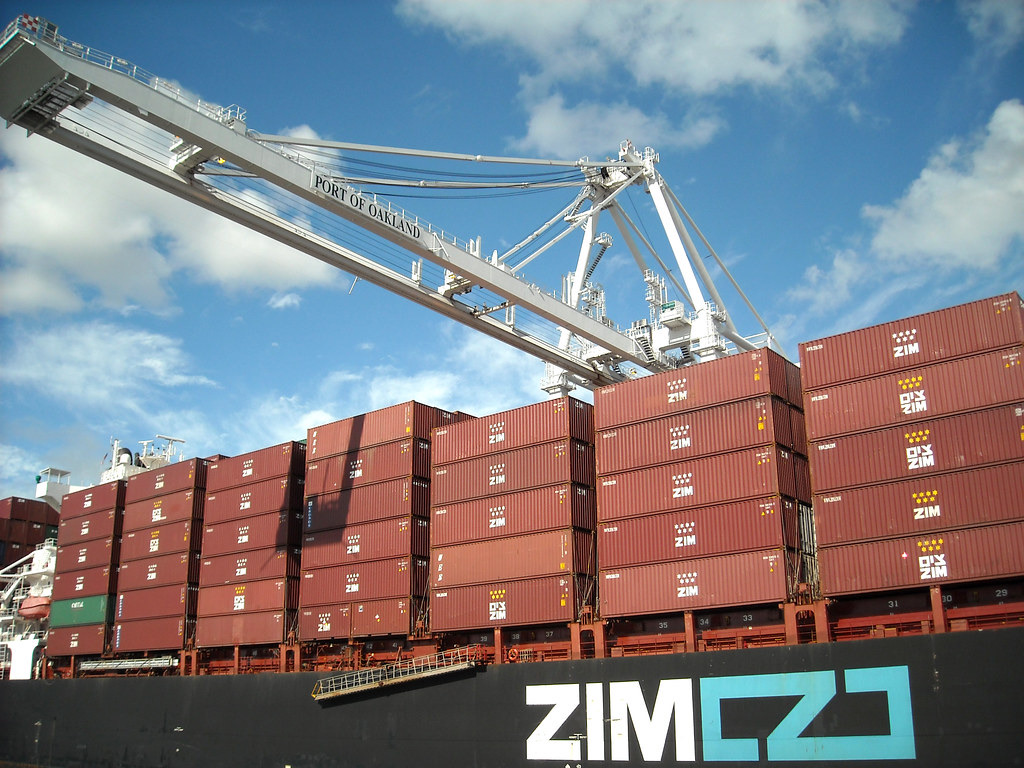
Even without federal hub money, Newport News partners pursued a smaller hydrogen test facility and fueling site at the Tech Center, aimed at port vehicles, vessels and heavy equipment rather than passenger cars (see Port of Virginia).
Virginia projects and proposals
- Chickahominy Power Station. A developer proposed a 1,600-megawatt gas plant in Charles City County, with turbines from Mitsubishi that could later switch to hydrogen. The project needed a new gas pipeline and was abandoned in 2022.
- King George County. After the coal-fired Birchwood Power Plant closed in 2021, developers proposed rezoning land around the site for data centers, hydrogen production and water treatment. The county had no gas pipeline, so any hydrogen would have had to be green, made from water and electricity.
- Petersburg. In 2025 a company began capturing hydrogen released as a byproduct at a Petersburg plant making bleach for water treatment and selling it for fuel cells.
- Data-center backup. Data centers rely on diesel generators for backup. Some companies are testing fuel-flexible generators that can run on natural gas or biogas now and hydrogen later.
Fuel cells and transportation
A fuel cell turns hydrogen directly into electricity without burning it. Hydrogen enters at the negative electrode (anode), where a catalyst splits it into protons and electrons; the electrons flow through an external circuit as electric current, and the protons pass through an electrolyte to the positive electrode (cathode), where they combine with oxygen from the air to form water. The only products are electricity, water and heat.[6] Fuel cells have powered spacecraft since the Apollo era, when astronauts drank the water they produced.
For cars, hydrogen faces a tough rival in batteries. Making hydrogen by electrolysis, compressing and trucking it, and converting it back to electricity in a car loses far more energy than charging a battery directly from the grid. Hydrogen also needs a network of fueling stations; in the early 2020s nearly all U.S. public hydrogen stations were in California, and Virginia had none.[3] Hydrogen is more promising for heavy trucks, ships, forklifts, aircraft and industrial uses such as steel and chemicals, where batteries are too heavy or heat is needed.
Weather balloons: Virginia’s steady hydrogen users
One group of Virginians has used hydrogen every day for decades: National Weather Service meteorologists. Twice a day, forecast offices such as the one in Blacksburg fill a latex balloon with hydrogen to a diameter of about five feet and launch a radiosonde, a small instrument package that radios back temperature, humidity, pressure and position as it rises. Hydrogen is much cheaper and easier to get than helium, which is in short supply; a vendor delivers canisters to the Blacksburg office once or twice a month. The balloon expands as it climbs and eventually bursts, and the radiosonde drifts down on a small parachute.[7] The Weather Service warns that a balloon found partly inflated may contain flammable hydrogen and should be left alone.[8]
Storage, efficiency and leaks
Hydrogen’s strongest case may be as long-term energy storage. Surplus solar and wind power, which would otherwise be wasted, could make hydrogen that is stored in tanks or underground salt caverns and burned months later in a power plant. A large project of this kind is under way in Utah. But the round trip is inefficient: after electrolysis, storage and burning, only roughly a fifth to a half of the original electricity comes back. For storage lasting hours, lithium-ion batteries are far cheaper.
Leaks are another concern. Hydrogen is not itself a greenhouse gas, but in the atmosphere it reacts with the same molecules that break down methane, so leaked hydrogen indirectly makes methane and other gases last longer and warm the climate more. For that reason, climate groups argue that hydrogen should be green, used where there is no better option, and handled with tight controls. Federal rules adopted for the hydrogen tax credit require producers to use new clean electricity, deliverable to the site and available at the hours when hydrogen is made, rather than just buying renewable energy certificates.
Frequently asked questions
Is hydrogen produced in Virginia? Mostly in small amounts, including as an industrial byproduct; there is no large-scale clean hydrogen plant in the state yet.
What is green hydrogen? Hydrogen made by splitting water with electricity from renewable sources such as wind or solar.[4]
Did Virginia get a federal hydrogen hub? Not directly. Dominion Energy is a member of the Appalachian hub (ARCH2) selected in 2023, but the Virginia-led Mid-Atlantic proposal was not chosen.[2][5]
Can I buy a hydrogen car in Virginia? There were no public hydrogen fueling stations in Virginia in the early 2020s, so hydrogen cars are not practical there.[3]
Why do weather balloons use hydrogen? It is cheaper and easier to obtain than helium and lifts the balloon just as well.[7]
See also: energy in Virginia, future of energy in Virginia, natural gas pipelines in Virginia.
References
- U.S. Energy Information Administration, “Production of hydrogen.” https://www.eia.gov/energyexplained/hydrogen/production-of-hydrogen.php
- Canary Media, “Biden admin picks 7 clean hydrogen hubs for $7 billion federal boost,” October 2023. https://www.canarymedia.com/articles/hydrogen/biden-admin-picks-7-clean-hydrogen-hubs-for-7-billion-federal-boost
- U.S. Department of Energy, Alternative Fuels Data Center, “Hydrogen Fueling Station Locations.” https://afdc.energy.gov/fuels/hydrogen-locations
- U.S. Department of Energy, “Hydrogen Production: Electrolysis.” https://www.energy.gov/eere/fuelcells/hydrogen-production-electrolysis
- Virginia Tech News, “Virginia Tech joins regional coalition aiming to create mid-Atlantic clean hydrogen hub,” May 2023. https://news.vt.edu/articles/2023/05/outreach-crc-hydrogen-hub-application.html
- U.S. Department of Energy, “Fuel Cells.” https://www.energy.gov/eere/fuelcells/fuel-cells
- Cardinal News, “Blacksburg-launched weather balloons wind up … maybe in the Atlantic,” June 20, 2022. https://cardinalnews.org/2022/06/20/blacksburg-launched-weather-balloons-wind-up-maybe-in-the-atlantic/
- National Weather Service, “Weather Balloon Instrument/Radiosonde Information.” https://www.weather.gov/upperair/radiosonde