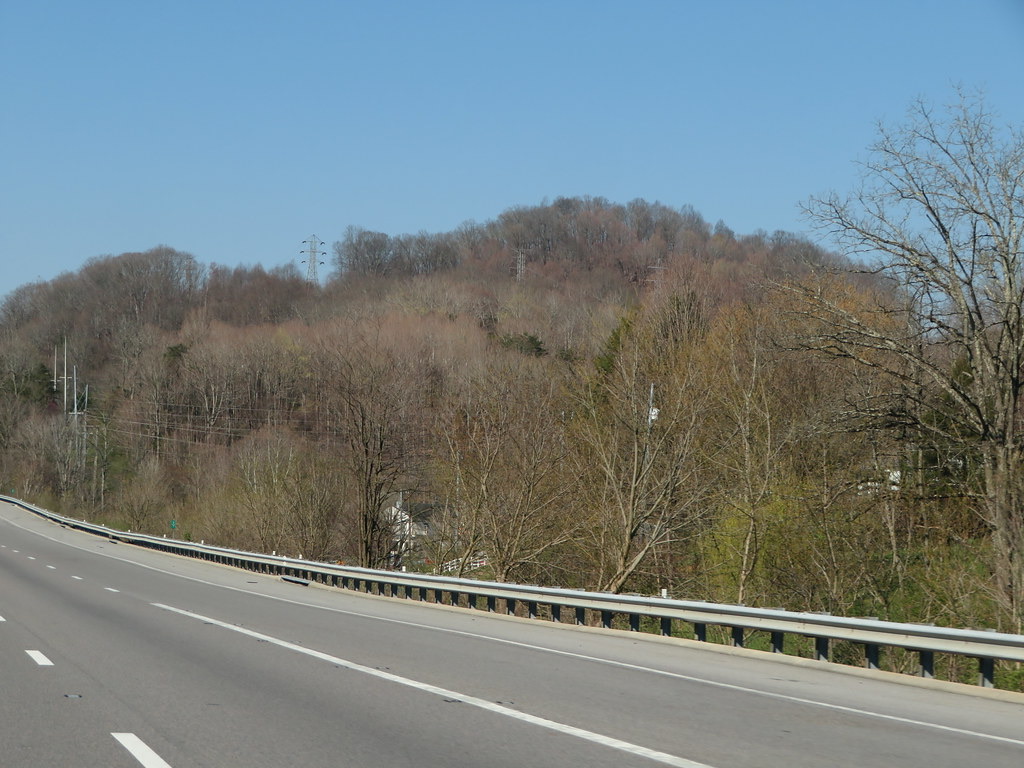
Wood was Virginia’s first fuel, and it is still a meaningful one. Forests cover more than three-fifths of the state, and its sawmills, paper mills and logging crews generate mountains of bark, chips, sawdust and treetops. Power plants in Southside and Tidewater burn that waste to make electricity, factories in the region press it into pellets for export, and farmers and startups are experimenting with crop leftovers, poultry litter and charcoal-like biochar. Whether all of that counts as clean energy is one of the more stubborn arguments in Virginia energy policy.
Quick answer: Biomass supplied about 3% of the electricity generated in Virginia in 2025, about a quarter of its renewable power. Wood and wood waste fuel about three-quarters of the state’s biomass generating capacity; landfill gas and trash incinerators supply most of the rest. Dominion Energy runs three 51-megawatt wood-burning stations at Altavista, Hopewell and Southampton, and the Northern Virginia Electric Cooperative owns a 49.9-megawatt wood-waste plant in Halifax County. Virginia’s six wood pellet plants can make more than 840,000 tons a year.[1][2][3]
Contents
- What biomass is
- Wood-burning power plants
- The Virginia City Hybrid Energy Center
- Wood pellets for Europe
- Is burning wood carbon-neutral?
- Crop residues and energy crops
- Poultry litter and biochar
- Biomass in Virginia law
- Timeline
- Frequently asked questions
What biomass is
Biomass is plant and animal material used for energy. Plants store solar energy as they grow; burning them, or letting microbes digest them, releases it again. The U.S. Energy Information Administration groups biomass fuels into wood and wood waste, agricultural crops and residues, the biological part of municipal trash, animal manure and sewage, and the gases these produce.[4] In Virginia, biomass electricity comes from wood-fired plants, the “black liquor” byproduct burned at paper mills, waste-to-energy incinerators that burn household trash, and engines running on landfill gas. Liquid fuels from biomass, such as ethanol and biodiesel, are covered on our page about biofuels in Virginia.
Wood is also still a home heating fuel: about 1% of Virginia households heat mainly with wood, and wood pellets are sold for stoves.[1]
Wood-burning power plants
A biomass power plant works much like a coal plant. Wood chips are fed into a boiler, the heat makes steam, and the steam spins a turbine generator. The fuel is mostly logging residue (branches, tops and low-grade wood left after a timber harvest), sawmill leftovers, and urban tree trimmings that would otherwise be dumped or burned in the open.
Dominion’s three converted stations. At Altavista, Hopewell and Southampton, Dominion Energy owns three small plants that were originally built to burn coal and supply steam to neighboring factories. Rather than retrofit them with expensive pollution controls or close them, the utility converted them to burn wood around 2013. Each now generates 51 megawatts, and together they employ about 90 people directly plus more than 100 forestry and trucking jobs hauling nearly 600,000 tons of biomass a year.[2]
Halifax County. The Northern Virginia Electric Cooperative (NOVEC) built its first power plant not in Northern Virginia but in Southside, near South Boston, where forests and logging produce abundant waste. The 49.9-megawatt Halifax County Biomass plant, operating since 2013, can supply the equivalent of about 27,475 NOVEC homes. NOVEC says all its fuel is logging, sawmill and urban forestry residue and that no trees are cut specifically for the plant; ash from the boiler is given to local farmers as a soil amendment, and the plant uses treated wastewater for cooling.[3]
The electricity from Halifax enters the regional grid and does not travel physically to NOVEC customers 200 miles away; the cooperative accounts for it as part of its supply (see electricity in Virginia).
Pittsylvania. Dominion also operates a larger biomass station near Hurt in Pittsylvania County, supplied with wood chips from the region’s forest products industry.
The Virginia City Hybrid Energy Center
Dominion’s Virginia City Hybrid Energy Center near St. Paul, in Wise County, opened in 2012 with a capacity of about 610 megawatts. It is called “hybrid” because its circulating fluidized-bed boilers can burn a mix of fuels: freshly mined coal, “gob” (waste coal from old mine refuse piles) and wood waste.[5] Burning gob helps clean up scarred mine sites, and adding wood reduces coal use. Environmental groups fought the plant’s permits, and its air permit required a minimum share of biomass. Because it co-fires coal, Virginia law does not count its output as renewable.
Wood pellets for Europe
The largest new use of Virginia’s wood in the 2010s was not local at all. European Union rules on renewable energy led utilities in Britain and elsewhere to convert coal plants to burn compressed wood pellets, and much of the supply came from the southeastern United States. Pellet mills dry and grind wood, then press it into dense pellets that can be shipped across the ocean. In Virginia, the biggest was Enviva’s plant at Courtland in Southampton County, which opened in 2015 and was designed to produce about 760,000 tons a year; pellets were exported through a terminal in Chesapeake. Today the state’s six pellet plants have a combined capacity of more than 840,000 tons a year.[1]
The industry came under heavy fire. Environmental groups such as the Dogwood Alliance documented logging trucks carrying whole trees, not just waste, to pellet mills in North Carolina, and argued that clear-cutting forests to burn them in Europe could not be called green. Enviva, the world’s largest pellet maker, ran into deep financial trouble in 2023: losses mounted, its stock collapsed to pennies, and executives cited operating problems at the Southampton plant, which had shut down half its production lines.[6] The company filed for bankruptcy in 2024 and later reorganized.
Is burning wood carbon-neutral?
Supporters of biomass say the carbon released by burning wood was absorbed by the trees as they grew and will be absorbed again by regrowing forests, while waste wood left in the woods would decay and release its carbon anyway. Dominion argued, when permitting the Virginia City plant, that Virginia’s forests grow faster than they are cut, so the total volume of wood keeps rising, and that a market for low-grade wood encourages better forest management by removing poor trees and leaving good ones to grow.
Critics answer that burning releases the carbon immediately, while regrowth takes decades, and that branches left on the forest floor decay slowly over many years. They also point out that a wood-fired boiler emits more carbon dioxide per unit of electricity than a gas plant. The answer depends heavily on what is burned: sawmill sawdust that would rot within a few years is very different from whole trees cut for fuel. When Virginia ordered a life-cycle study of biomass carbon in 2023, researchers had trouble getting data from utilities and loggers on how much of the fuel came from forests versus mills.
Crop residues and energy crops
Farm waste is another possible fuel. Corn stover (stalks, leaves, husks and cobs), wheat straw and other residues are produced in large amounts, especially on the Eastern Shore, in southeastern Virginia and in the Shenandoah Valley. Only part of it can be removed safely, since the rest protects soil from erosion and returns nutrients. Collecting and trucking such bulky, low-energy material is costly, so most research has focused on converting it on or near the farm.
Some Virginia institutions have burned energy crops directly. Piedmont Geriatric Hospital in Nottoway County switched its boiler to switchgrass in the 2000s, creating a small local market for farmers to grow the native grass for fuel rather than hay. Switchgrass grown for burning is harvested dry, which gives it more usable heat per ton than wet sawdust. Growing crops purely for power, though, rarely pays without subsidies.
Poultry litter and biochar
The Shenandoah Valley’s poultry houses produce more manure than local fields can use, and excess phosphorus washes into streams and the Chesapeake Bay. Burning or heating the litter reduces its volume and makes it cheaper to ship elsewhere. At Riverhill Farm in Rockingham County, turkey litter, corn and wood chips have all been burned to heat poultry houses, and the farm was part of a regional manure-to-energy demonstration.[7]
A related product is biochar. Heating wood or crop waste with little or no oxygen, a process called pyrolysis, produces a gas that can be burned for energy and a stable, charcoal-like solid. Mixed into soil, biochar helps hold water and nutrients and can lock up carbon for centuries instead of releasing it as the material decays. Small biochar ventures have started in Floyd and Sussex counties, some planning to sell carbon credits along with the product.
Biomass in Virginia law
Biomass has had an awkward place in Virginia’s clean-energy law. The Virginia Clean Economy Act of 2020 originally required Dominion’s three wood-burning stations to close by 2028, but the General Assembly removed that deadline in 2023. Under the law, plants that burn biomass without co-firing coal are exempt from the requirement to retire carbon-emitting units by 2045.[8] The legislature also wrestled with whether NOVEC, which is not subject to the state’s renewable standard, should be allowed to sell renewable energy certificates from its Halifax plant to Virginia buyers; that proposal failed in 2023.
Timeline
| Year | Event |
|---|---|
| 2000s | Piedmont Geriatric Hospital switches its boiler to switchgrass |
| 2012 | Virginia City Hybrid Energy Center begins operating in Wise County |
| 2013 | Dominion converts Altavista, Hopewell and Southampton to wood; NOVEC’s Halifax plant opens |
| 2015 | Enviva pellet plant opens in Southampton County |
| 2020 | Virginia Clean Economy Act sets a closing date for Dominion’s wood plants |
| 2023 | Legislature drops the closing date; Enviva’s finances collapse |
| 2024 | Enviva files for bankruptcy |
Frequently asked questions
How much of Virginia’s electricity comes from biomass? About 3% of in-state generation in 2025, roughly a quarter of the state’s renewable electricity.[1]
Where are Virginia’s biomass power plants? Dominion runs wood-burning stations at Altavista, Hopewell, Southampton and Hurt; NOVEC has a plant in Halifax County; and the Virginia City plant in Wise County co-fires wood with coal.[2][3][5]
Does Virginia export wood pellets? Yes. Pellet plants in Southside and Tidewater have shipped pellets to European power plants through Hampton Roads ports.[1]
Is biomass considered renewable in Virginia? Yes, if it is not burned together with coal, under the Virginia Clean Economy Act.[8]
What is biochar? A charcoal-like material made by heating plant waste without oxygen, used to improve soil and store carbon.
See also: energy in Virginia, forestry in Virginia, biofuels in Virginia.
References
- U.S. Energy Information Administration, “Virginia: State Profile and Energy Estimates – Analysis.” https://www.eia.gov/state/analysis.php?sid=VA
- Dominion Energy, “Biomass Fuel Facilities.” https://www.dominionenergy.com/projects-and-facilities/biomass-fuel-facilities
- Northern Virginia Electric Cooperative, “Halifax County Biomass Electric Generating Facility.” https://www.novec.com/About_NOVEC/SBE.cfm
- U.S. Energy Information Administration, “Biomass explained.” https://www.eia.gov/energyexplained/biomass/
- Dominion Energy, “Virginia City Hybrid Energy Center.” https://www.dominionenergy.com/projects-and-facilities/coal-and-oil-facilities/vchec
- Mongabay, “Enviva, the world’s largest biomass energy company, is near collapse,” November 2023. https://news.mongabay.com/2023/11/enviva-the-worlds-largest-biomass-energy-company-is-near-collapse/
- Rachel Felver, “Alternative energy powers a Virginia farm,” Chesapeake Bay Program, December 19, 2019. https://www.chesapeakebay.net/news/blog/alternative_energy_powers_a_virginia_farm
- Code of Virginia § 56-585.5, Generation of electricity from renewable and zero carbon sources. https://law.lis.virginia.gov/vacode/title56/chapter23/section56-585.5/