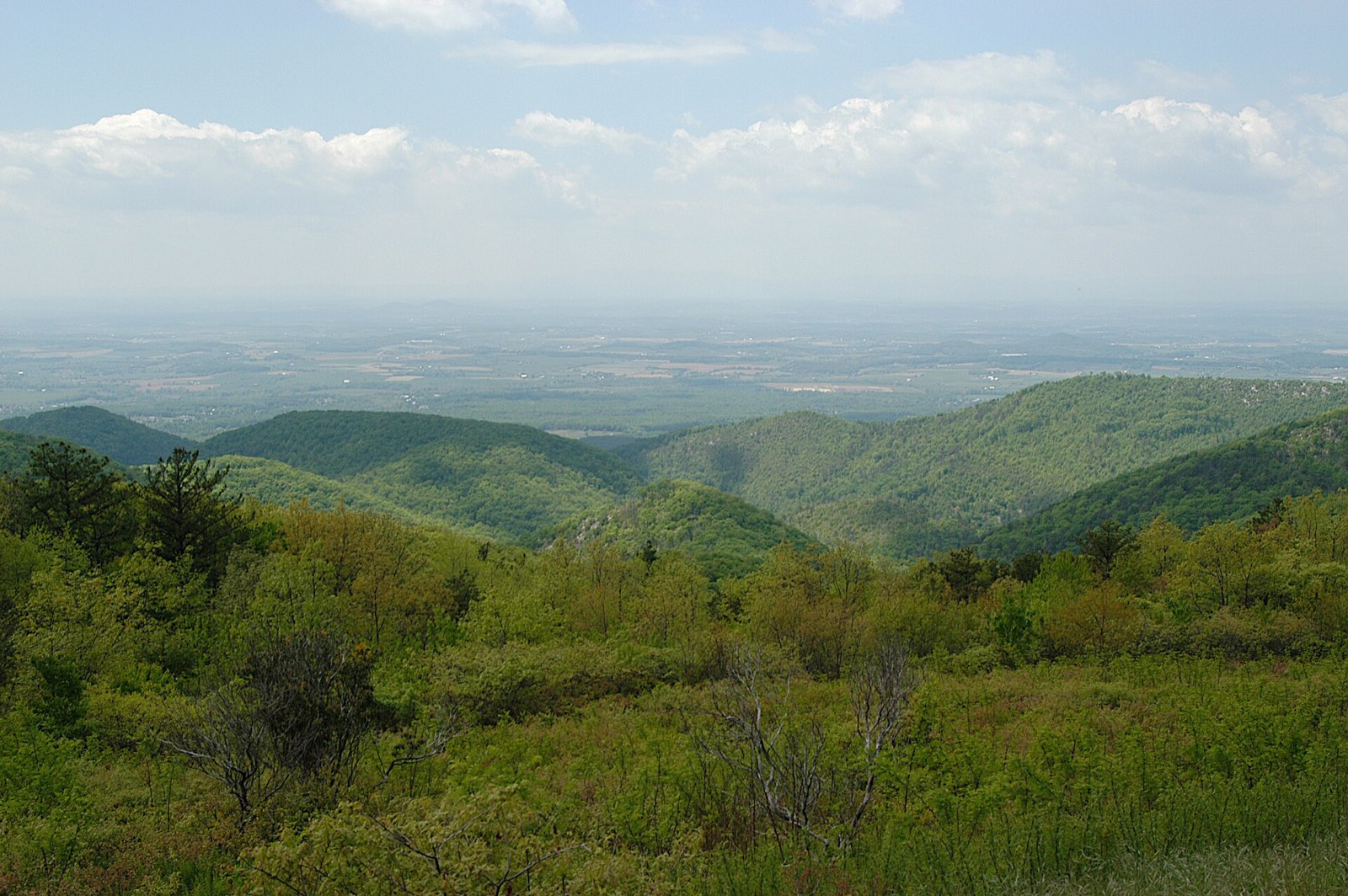
The climate of Virginia changes from the Atlantic coast to the Appalachian Mountains. The mountains are cooler and snowier than the coast.
Quick answer: The climate of Virginia is humid, with very warm summers and moderately cold winters. The state averages 43.5 inches of precipitation a year. The west and north are cooler and drier than the coast, and the mountains receive more than 45 inches of snow a year, while the coast receives less than 10.
Contents
- Temperature
- Precipitation and Snow
- Tropical Storms
- A Warming Climate and Rising Seas
- Frequently asked questions
Temperature
Virginia has a humid climate with very warm summers and moderately cold winters. The western and northern parts of the state are cooler and drier than the eastern coast.[1]
| Season, 1991-2020 normals | Mountains | Coast and southeast |
|---|---|---|
| Winter low temperatures | Low 20s °F at high elevations | Above 35 °F on the coast |
| Summer high temperatures | About 80 °F in the Appalachians | About 90 °F in the far southeast |
Precipitation and Snow
The long-term statewide average is 43.5 inches of precipitation a year. The driest year on record brought 27.4 inches (1930), and the wettest 63.5 inches (2018).[1]
Snowfall varies more than rain. The Appalachian region receives more than 45 inches a year, while the Coastal Plain and parts of southern Virginia receive less than 10 inches.[1]
Tropical Storms
On average, a tropical cyclone or its remnants affects Virginia about once a year.[1]
A Warming Climate and Rising Seas
Temperatures in Virginia have risen more than 1.5 °F since 1900, and about 2.5 °F since 1970.[1]
Sea level along the Virginia coast rose about 10 inches between 1970 and 2020, compared with 6 inches for the contiguous United States. Under an intermediate scenario, another 12 inches is projected by 2050. At Sewells Point in Norfolk, a record 23 high-tide flooding days occurred in 2023.[1]
Frequently asked questions
What type of climate does Virginia have? A humid climate with very warm summers and moderately cold winters.
How much rain does Virginia get a year? About 43.5 inches on average.
Does it snow in Virginia? Yes. The mountains average more than 45 inches a year; the coast less than 10.
How often do hurricanes affect Virginia? A tropical cyclone or its remnants affects the state about once a year on average.
References
- [1] NOAA National Centers for Environmental Information and NCICS, State Climate Summaries: Virginia – last checked 11/08/2026
The regions behind these differences are described in The Regions of Virginia.