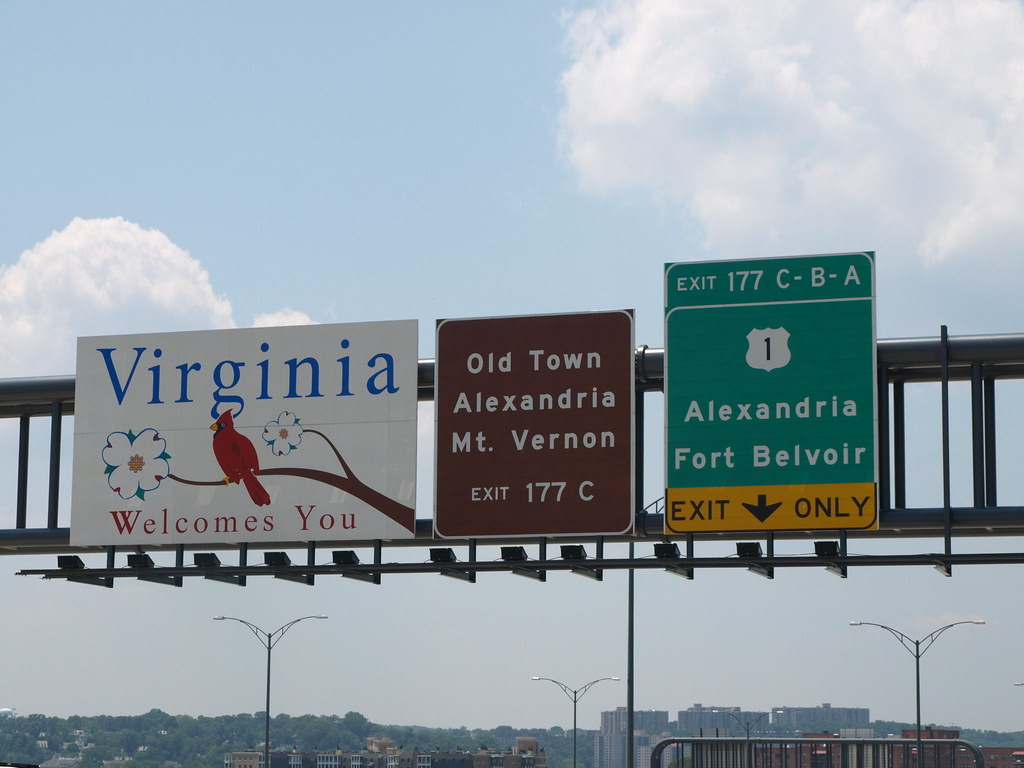
Tourism is one of Virginia’s largest industries. Visitors come for history at Jamestown, Williamsburg and Civil War battlefields, for beaches at Virginia Beach and the Eastern Shore, for the mountains, wineries and music of the Blue Ridge and Southwest Virginia, and for business in Northern Virginia. For more than half a century the state has marketed all of this under one of the most famous slogans in advertising, “Virginia Is for Lovers.” Behind the slogan is a state agency, a budget set by the General Assembly and a constant argument about which kinds of tourism are worth public money.
Quick answer: “Virginia Is for Lovers” was created in 1969 by the Richmond agency Martin & Woltz (later The Martin Agency) and first appeared in an ad in Modern Bride; in 2009 it joined the Advertising Walk of Fame on Madison Avenue. Tourism is promoted by the Virginia Tourism Authority, which does business as the Virginia Tourism Corporation (VTC). In 2024 visitors spent a record $35.1 billion in Virginia, about $96 million a day; overnight visitors reached 44.7 million; tourism directly supported more than 229,000 jobs and generated $2.5 billion in state and local taxes.[1][2][3]
Contents
- The slogan
- Keeping the brand fresh
- Who runs tourism promotion
- How big is tourism?
- Measuring what tourism earns
- Heritage tourism
- Nature tourism
- Tourism as economic development
- Events, sports and conventions
- Bets that did not pay off
- Timeline
- Frequently asked questions
The slogan
In the late 1960s Virginia was seen as a destination for older travelers interested in history, and young people were not coming. In 1969 the Richmond advertising firm Martin & Woltz, which had lost an earlier pitch for the state account two years before, decided to give the state tourism board something memorable.[1][4]
The story long told is that a “$100-a-week copywriter,” Robin McLaughlin, came up with the line. George Woltz, a co-founder of the firm, later explained that it was a collaborative effort: McLaughlin, an assistant to a researcher on the creative team, did recommend “Virginia is for lovers” at the final meeting, but the phrase had been discussed before, and the team worried it was too risqué for conservative Virginia. Woltz pitched it to five officials chosen by Governor Linwood Holton, and the agency won the account.[4] The first ad, aimed at honeymooners, ran in Modern Bride with models in colonial costume photographed in Williamsburg. Art director Libby Meggs designed the classic logo, white serif letters on black with a red heart, inspired by the hearts on fencing uniforms.[4]
The slogan caught on with a generation of young travelers, and T-shirts, bumper stickers and souvenirs spread it far beyond the state. In 2009, its 40th year, it was a finalist for the Madison Avenue Advertising Walk of Fame, which it joined by popular vote that fall; the state tourism office called it the longest-running state tourism motto in the country.[5]
Keeping the brand fresh
Over the decades, tourism officials have tested other themes, especially to attract families and travelers more interested in history, food or outdoor adventure than romance. Consultants have generally recommended building on the slogan rather than replacing it. Variations such as “Virginia is for wine lovers” or “Virginia is for history lovers” became part of the brand, and the VTC now protects the trademark and approves only versions that follow the “Virginia is for ___ Lovers” format.[2]
Since the 2010s, large LOVE sculptures, called LOVEworks, have been installed at welcome centers, wineries, downtowns and attractions; the state counts more than 300 around Virginia.[6]
Who runs tourism promotion
The General Assembly created the Virginia Tourism Authority by law, declaring that the state has a wealth of cultural, historical, commercial, educational and recreational attractions of interest to millions of people, and that promoting tourism is necessary for the prosperity of Virginians.[7] The authority operates as the Virginia Tourism Corporation, based in Richmond. It runs advertising campaigns, a cooperative marketing program that matches local spending, welcome centers on interstate highways, the virginia.org website and the film office that recruits movie and television productions.
The VTC’s money comes through the state budget, and its priorities shift with political choices. Budget items over the years have funded marketing of African American heritage sites, the Blue Ridge Parkway, the Civil War sesquicentennial, the 2007 commemoration of Jamestown’s 400th anniversary and, most recently, the VA250 commemoration of the American Revolution. State spending on parks, historic preservation and museums such as the Virginia Museum of Natural History also supports tourism indirectly.
How big is tourism?
According to the VTC and Tourism Economics, visitors spent a record $35.1 billion in Virginia in 2024, up 5.4 percent from $33.3 billion in 2023. Overnight visitors rose by more than a million to 44.7 million, surpassing pre-pandemic levels for the first time. Travelers spent about $96 million a day. Visitor spending directly generated $2.5 billion in state and local taxes, which the state estimates saves each Virginia household $990 a year, and directly supported more than 229,000 jobs, though staffing shortages remain, especially in lodging.[3] One in four restaurant jobs and one in four recreation jobs in Virginia are supported by visitor spending.[3]
The figures count domestic travelers who stayed overnight or traveled more than 50 miles. Detailed county and city figures are published each year.[8] Not surprisingly, the largest visitor spending is in Northern Virginia, where Dulles Airport and business travel count heavily, and in Virginia Beach and the Historic Triangle.
Measuring what tourism earns
Tourism statistics are easy to quote and hard to interpret. Costs to the public, such as advertising, roads, police and stadium subsidies, are easy to count. Benefits are harder: would a visitor have come anyway? Did spending at an event simply move away from other local businesses? Economists distinguish direct spending from “indirect” and “induced” effects calculated with input-output models, and critics note that the most optimistic studies are often paid for by the event’s promoters.[8]
Tourism jobs are also debated. Hotels, restaurants and attractions employ many people, but often in seasonal, part-time or low-wage jobs with few benefits. Communities that rely heavily on tourism can see winters of unemployment. Some localities therefore prefer to spend their economic development money on attracting year-round employers.
Heritage tourism
History is Virginia’s best-known draw: Jamestown and Yorktown, Colonial Williamsburg, presidential homes such as Mount Vernon, Monticello and Montpelier, and battlefields from the Revolution and the Civil War. Almost every locality promotes its historic sites. Since the 1990s interpretation has broadened to include Native and African American history and the history of slavery, often after long debate. These themes are explored in history tourism and museums in Virginia.
Nature tourism
Virginia has promoted its scenery since Thomas Jefferson praised the view at Harpers Ferry and the Natural Bridge (see Natural Bridge State Park). Today communities advertise beaches, mountain vistas, waterfalls, caves, rivers, lakes, trails and wildlife. The state wildlife agency’s Virginia Bird and Wildlife Trail organizes viewing sites into 65 driving loops.[9]
In Southwest Virginia, the decline of coal since the 1990s has pushed communities to build an outdoor recreation economy around the Clinch River, the Appalachian Trail, the Virginia Creeper Trail, the Spearhead Trails for off-road vehicles and the region’s music heritage. Nature tourism only produces income, however, if visitors find places to stay, eat and shop; a scenic overlook with a donation box does not support a town. Highway changes can matter too: when Interstate 64 diverted traffic from U.S. 250 over Afton Mountain, motels and restaurants at the top of the mountain declined. See trails and scenic rivers in Virginia and parks and forests of Virginia.
Tourism as economic development
From a state official’s point of view, the ideal visitor spends money and leaves without using schools or other services. The best visitors of all may be business executives who come for a convention, like what they see and decide to locate a company in Virginia. Northern Virginia’s conferences, especially in technology and defense contracting, serve that purpose, and its nearness to Washington, D.C., brings both tourists and federal business.
Events, sports and conventions
Communities compete for events that fill hotel rooms: youth sports tournaments, horse shows, festivals and conventions. Virginia Beach hosts hundreds of events a year, including the East Coast Surfing Championships; Lexington’s Virginia Horse Center draws riders from many states; and minor league baseball and NASCAR racing bring visitors to Norfolk, Richmond and Martinsville. These are described in sports in Virginia and ski resorts, surfing and golf in Virginia.
Bets that did not pay off
Not every plan works. A bid to bring the 2012 Summer Olympics to the Washington–Baltimore region, backed by business leaders, failed to win the U.S. nomination. A planned Aviation World’s Fair at Dulles for the centennial of flight in 2003 lost state support during a budget crunch. The best-known case is Disney’s America, a history theme park announced in 1993 for a site near Haymarket and abandoned in 1994 after opposition from historians and conservationists (see amusement parks and resorts in Virginia).
Timeline
| Year | Event |
|---|---|
| 1969 | “Virginia Is for Lovers” debuts |
| 1994 | Disney’s America abandoned |
| 2007 | Jamestown 400th anniversary commemoration |
| 2009 | Slogan enters the Madison Avenue Advertising Walk of Fame |
| 2024 | Record $35.1 billion in visitor spending |
| 2026 | VA250 commemoration of the American Revolution |
Frequently asked questions
Who created “Virginia Is for Lovers”? The Richmond agency Martin & Woltz, later The Martin Agency, in 1969. The line came out of a team meeting where Robin McLaughlin recommended it, and George Woltz pitched it to the state.
How much do tourists spend in Virginia? A record $35.1 billion in 2024, according to the Virginia Tourism Corporation, about $96 million a day.
Who promotes tourism in Virginia? The Virginia Tourism Authority, operating as the Virginia Tourism Corporation, created by the General Assembly and funded through the state budget.
How many jobs does tourism support in Virginia? More than 229,000 jobs directly in 2024.
References
- [1] Virginia Tourism Corporation, virginia.org: Virginia Is for Lovers – last checked 11/21/2026
- [2] Virginia Tourism Corporation, Virginia Is for Lovers logo and trademark guidelines – last checked 11/21/2026
- [3] Virginia Tourism Corporation press release, “Governor Glenn Youngkin Announces Record-Setting Tourism Spending, $35.1B in Virginia in 2024” – last checked 11/21/2026
- [4] Richmond Magazine, “An Enduring Affair” – last checked 11/21/2026
- [5] The Cavalier Daily, “Virginia is for Lovers up for Advertising Walk of Fame” (August 2009) – last checked 11/21/2026
- [6] virginia.org, LOVE in Virginia – last checked 11/21/2026
- [7] Code of Virginia, § 2.2-2315, Virginia Tourism Authority Act – last checked 11/21/2026
- [8] Virginia Tourism Corporation, Economic Impact research – last checked 11/21/2026
- [9] Virginia Department of Wildlife Resources, Virginia Bird and Wildlife Trail – last checked 11/21/2026